Key Takeaways
- Modern marine plumbing components improve overall safety, efficiency, and comfort on your vessel.
- Upgrading to advanced, corrosion-resistant materials helps prevent common plumbing failures.
- Routine inspections and timely system improvements maximize the service life of your boat’s plumbing.
Modernizing your boat’s plumbing system not only increases comfort but also plays a vital role in maintaining your vessel’s safety and efficiency. Many owners find that investing in advanced marine plumbing parts and supplies prevents both small inconveniences and major headaches on the water. As new materials and technologies become available, these upgrades are more accessible and beneficial than ever for boaters looking to enhance their overall experience.
Whether you are maintaining an aging cruiser or customizing a new yacht, prioritizing your plumbing system’s health results in fewer leaks, less corrosion, and smoother operation. Problems commonly associated with outdated systems, such as clogged lines or inconsistent water flow, can be reduced significantly by choosing the right modern components. Not only do these improvements extend your vessel’s longevity, but they also support better hygiene and daily convenience for everyone on board.
Before making any changes, a thorough assessment of your plumbing infrastructure will help you identify the most urgent upgrades. Swapping outdated, corroded fittings or inefficient pumps with newer alternatives is often a quick way to achieve noticeable results, both in operating costs and onboard safety.
Boaters who leverage recent innovations report spending less time on repairs and more time enjoying their vessels on the water. As you consider options for your plumbing system, remember that even subtle enhancements can yield substantial payoffs for both short trips and long journeys.
Assessing Your Current Plumbing System
Begin the upgrade process by thoroughly evaluating your existing plumbing setup. Check for visible signs of wear, such as dripping hoses, rusty fittings, or low water pressure. Any system showing leaks, mineral buildup, or unpredictable function should be addressed first. This evaluation helps you prioritize the immediate repair or replacement of problematic components, reducing the risk of sudden failures that can lead to costly emergency repairs.
Upgrading Thru-Hulls and Seacocks
Thru-hulls and seacocks are among the most critical parts of your plumbing system, functioning as connection points for water intake and discharge. Older models, especially those made from traditional bronze, are prone to pitting and corrosion from constant exposure to moisture and salt. Upgrading to composite or high-quality marine-grade bronze options ensures better resistance to harsh marine environments and a longer service life. A well-maintained set of thru-hulls and seacocks also minimizes the risk of flooding from component failure, which is one of the most common and potentially dangerous plumbing incidents at sea.
Enhancing Freshwater Systems
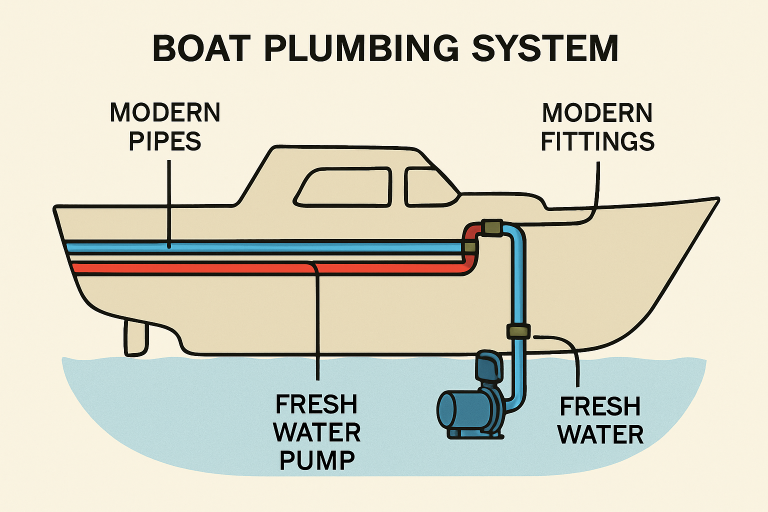
Consistent, efficient access to freshwater significantly improves comfort on board. Modern variable-speed freshwater pumps are designed to reduce power consumption and provide stable water pressure across all outlets. By pairing these pumps with an accumulator tank, you reduce rapid cycling and energy waste, further prolonging pump lifespan and enhancing reliability. This is especially useful on long journeys where fresh water is a premium resource.
Modernizing Marine Toilets
Replacing older manual marine toilets with modern electric models offers greater convenience and improved hygiene. These toilets are often equipped with macerators that efficiently break down waste, reducing the risk of clogs. However, upgrading may involve assessing your current power capacity and available space, as electric units can draw more power and require additional clearance. Planning and professional installation are recommended to ensure smooth operation and full compliance with marine sanitation regulations.
Improving Galley Plumbing
Upgrading your galley with marine-grade stainless steel sinks and faucets enhances the aesthetic appeal and durability of your kitchen. Stainless steel is highly resistant to rust and stains, making it ideal for the marine environment. In addition, replacing older refrigerators with highly efficient, marine-specific refrigeration appliances helps preserve food longer while consuming less energy. Even small adjustments in the galley can make time on board safer and more pleasant, especially for those who love to cook or entertain guests.
Maintaining Ventilation Systems
Effective ventilation is crucial to any plumbing system, as blocked or inadequate vents can lead to pressure build-up, hose collapse, or tank deformation. Upgrading to modern vent fittings and keeping vents clear of obstructions will keep your entire system running smoothly. Proper ventilation also prevents foul odors and supports the overall safety and hygiene of your boat.
Regular Maintenance and Inspection
Consistent inspection of hoses, clamps, and connectors is the foundation of a long-lasting marine plumbing system. Look for soft spots in hoses, looseness in clamps, and any signs of corrosion at connection points. By swapping out components as soon as they show wear, you avoid sudden breakdowns and ensure a safe, reliable system every time you set out on the water.
Conclusion
Investing in modern marine plumbing components is not just about keeping up with the latest technology. It is a critical step toward safeguarding your vessel, boosting efficiency, and enhancing comfort for everyone on board. Through careful evaluation, upgrade plans tailored to your needs, and a commitment to regular maintenance, you can enjoy peace of mind and a superior boating experience for years to come.